See what we see. Help save the children we save.
People supported UNICEF because they believed in its mission.
What many struggled to understand was what their support actually looked like in the field.
Research with monthly donors revealed an opportunity. Traditional fundraising materials explained the need, but they couldn't recreate the experience of standing beside a child, a family or a UNICEF worker in one of the world's most remote communities. The challenge wasn't raising awareness. It was helping people build a deeper connection to the work their donations made possible.
Understanding begins with experience.
UNICEF360° was created as a new way to connect supporters with UNICEF's work through immersive storytelling.
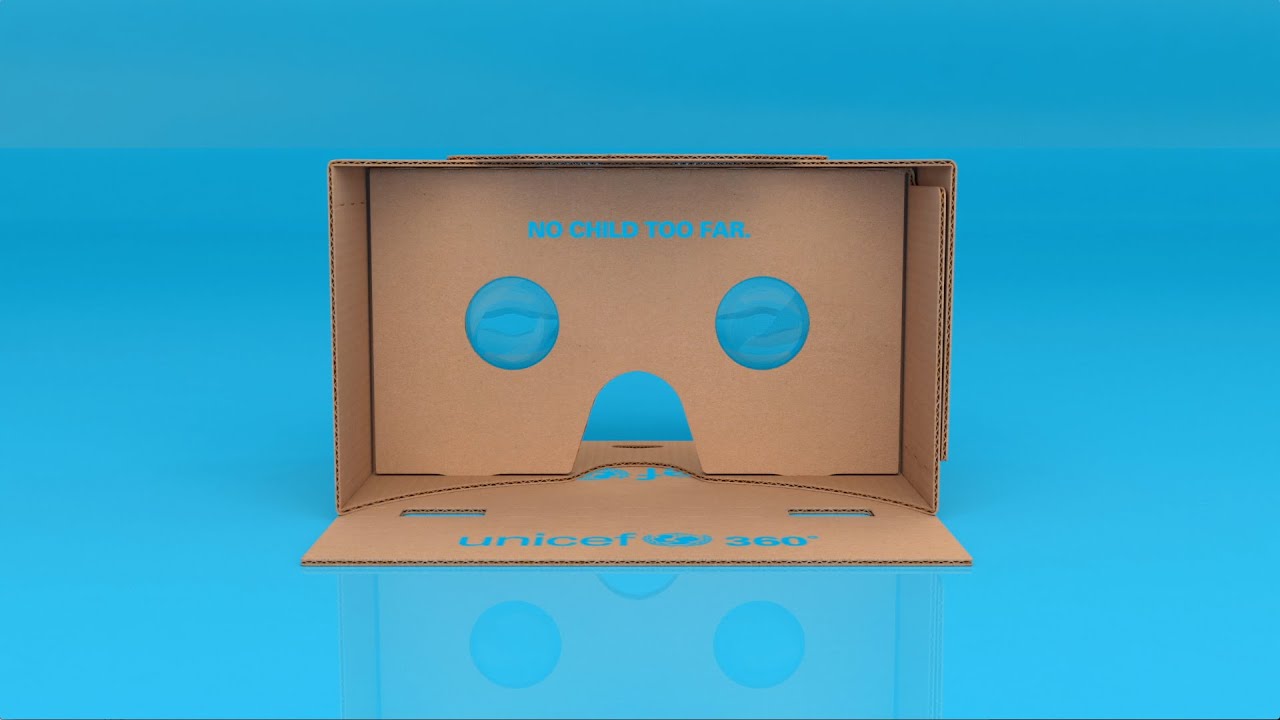
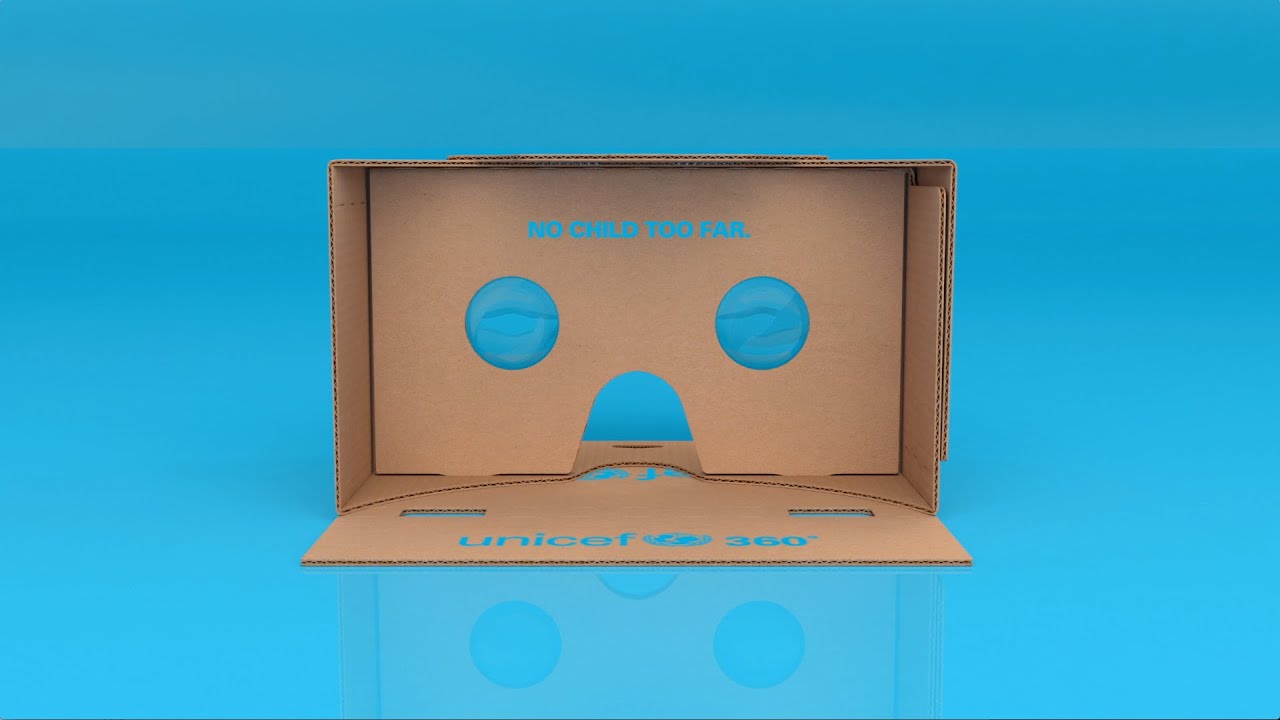
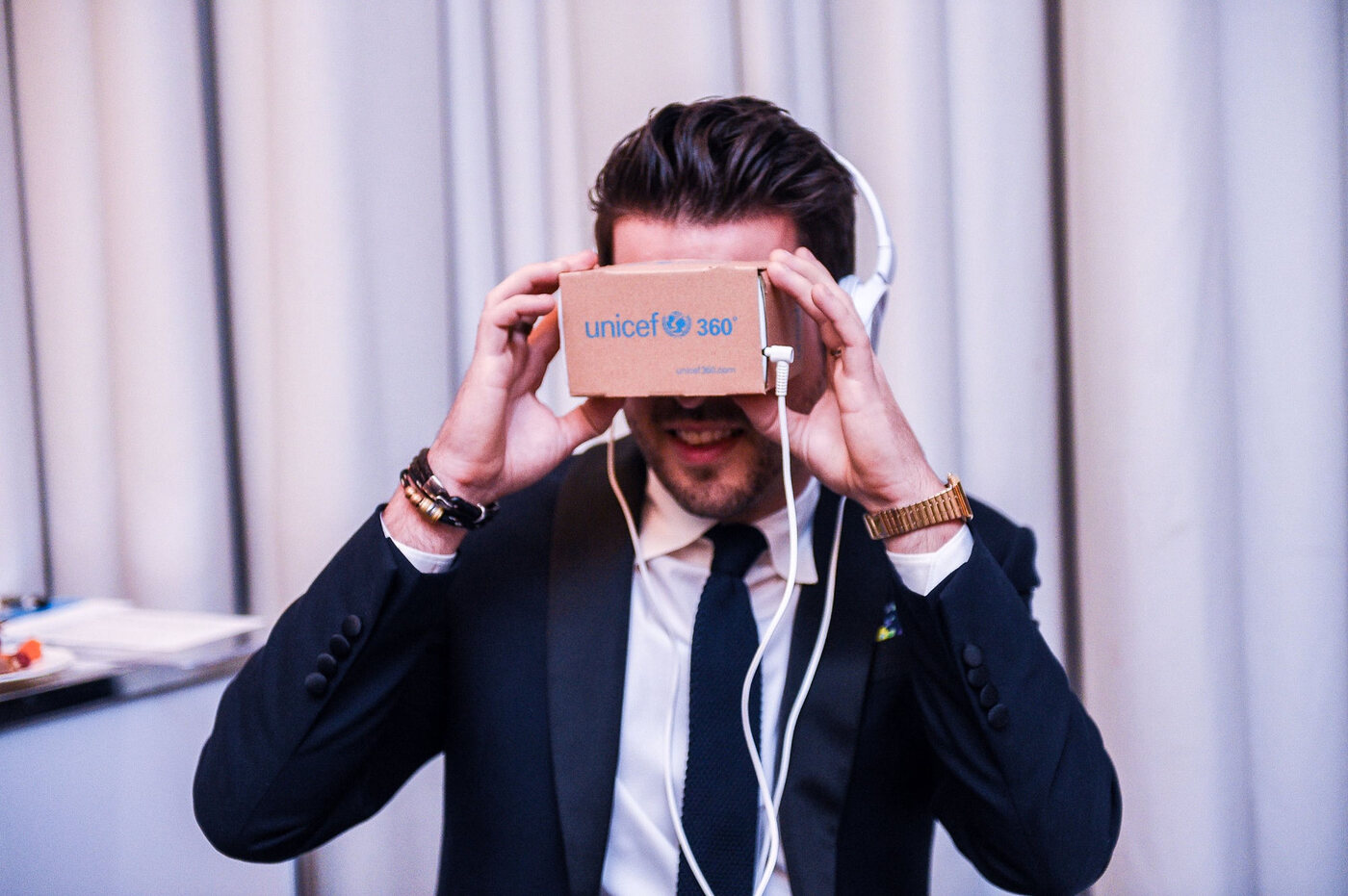
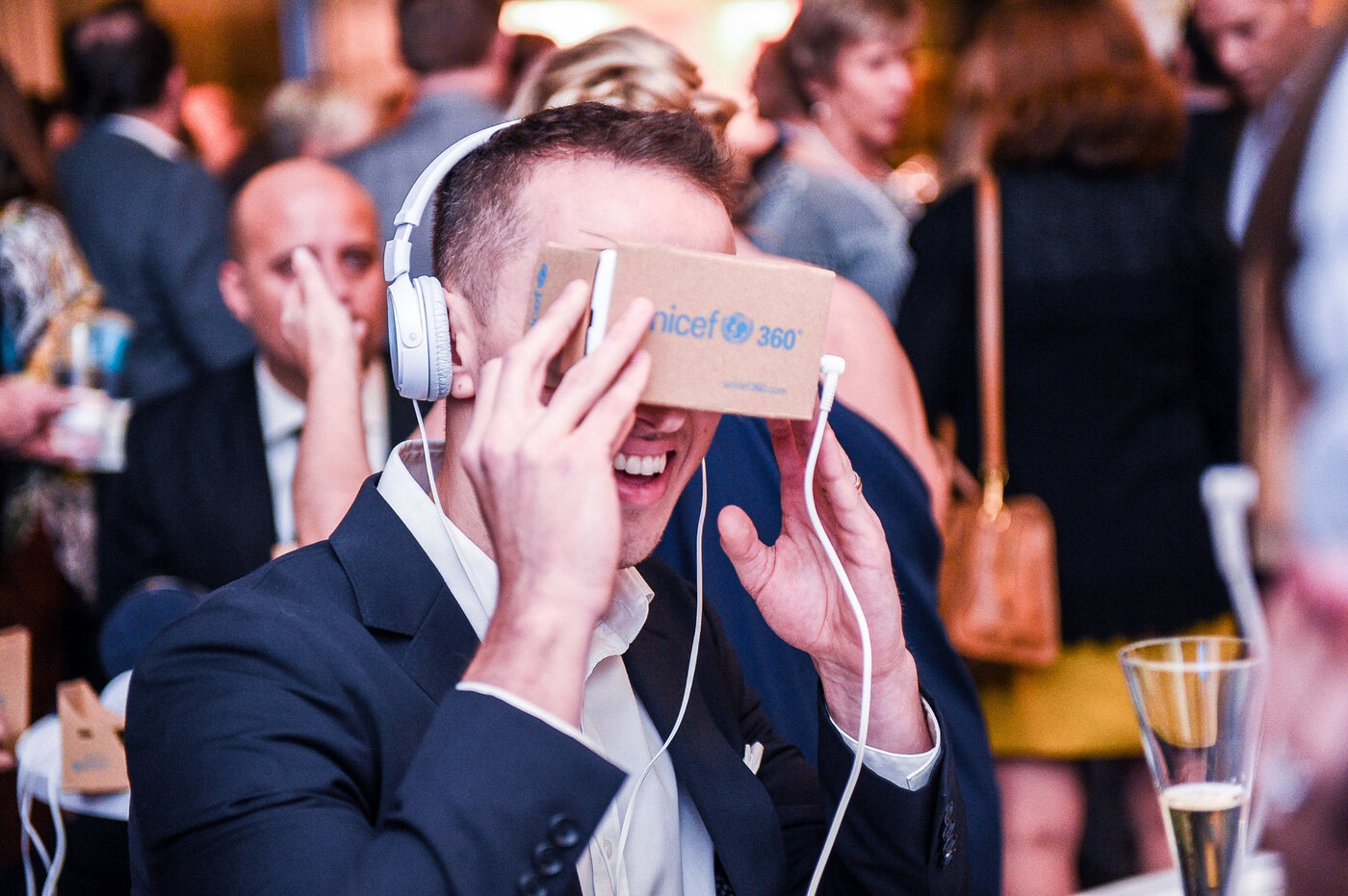
Inspired by UNICEF's iconic cardboard aid boxes, Idea Studio designed a custom fold-flat viewer that transformed a donor's smartphone into a virtual window into the field. Lightweight, inexpensive to manufacture and economical to ship, the viewer made virtual reality practical for fundraising, public events and donor engagement at a scale that hadn't been possible before.
The technology was intentionally simple. The experience was designed to be unforgettable.
UNICEF360° wasn't conceived as a single campaign.
It was designed as a living platform that could continue to grow alongside UNICEF's stories.
Built in Unity, the experience supported immersive 360° documentaries, traditional 2D viewing, multilingual content, guided onboarding, accessibility features and an evolving content library. Every new film strengthened the platform while every platform improvement enhanced future stories.
The result was a flexible foundation that could support storytelling, fundraising, education and live events through one connected experience.
Design didn't end when the platform launched.
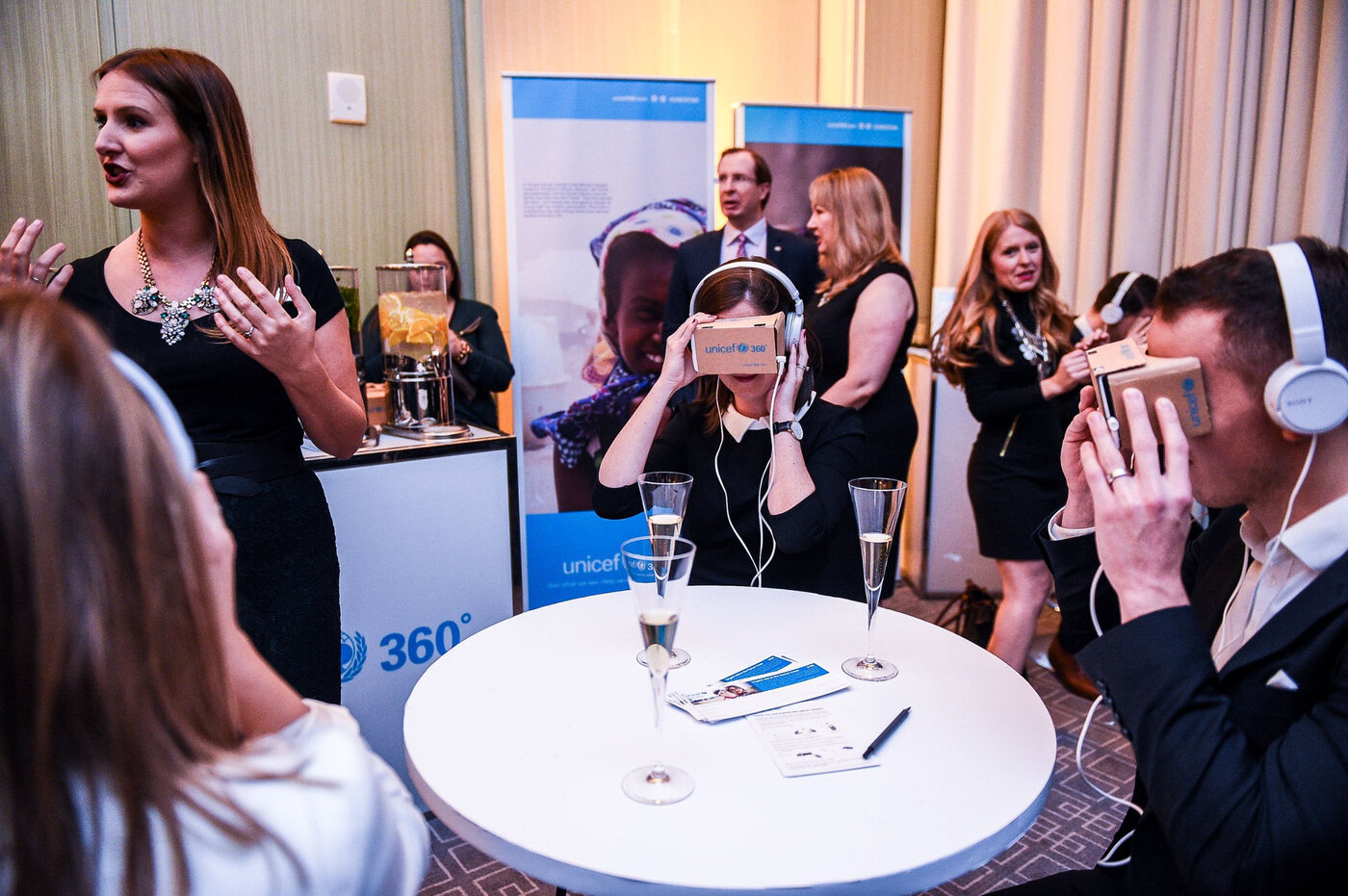
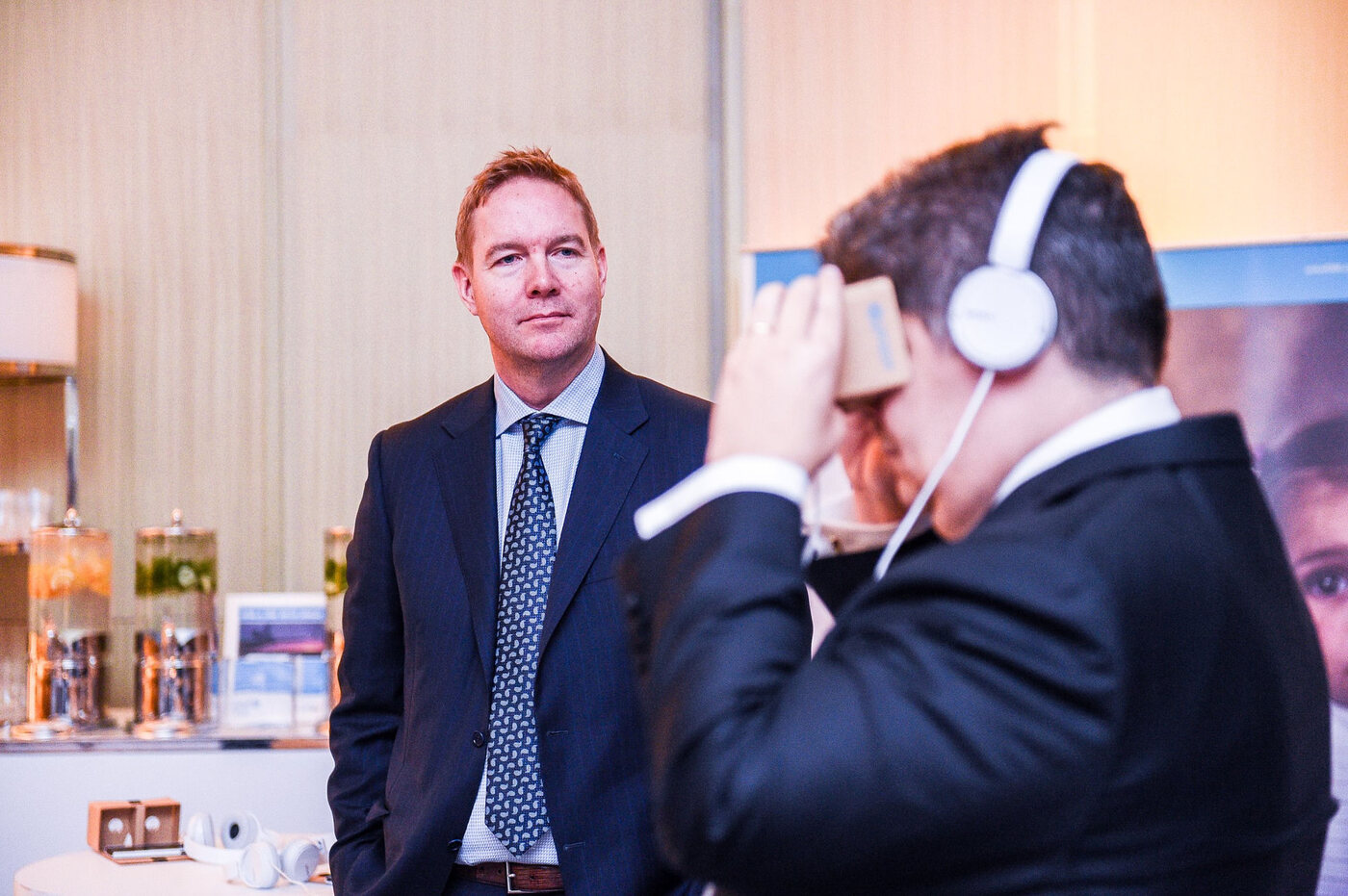
Public demonstrations and live events became opportunities to observe how people experienced virtual reality for the first time. Watching where people hesitated, what captured their attention and how they responded emotionally informed future iterations of the platform, shaping everything from onboarding and interaction design to the way stories themselves were told.


Every event became part of the design process.
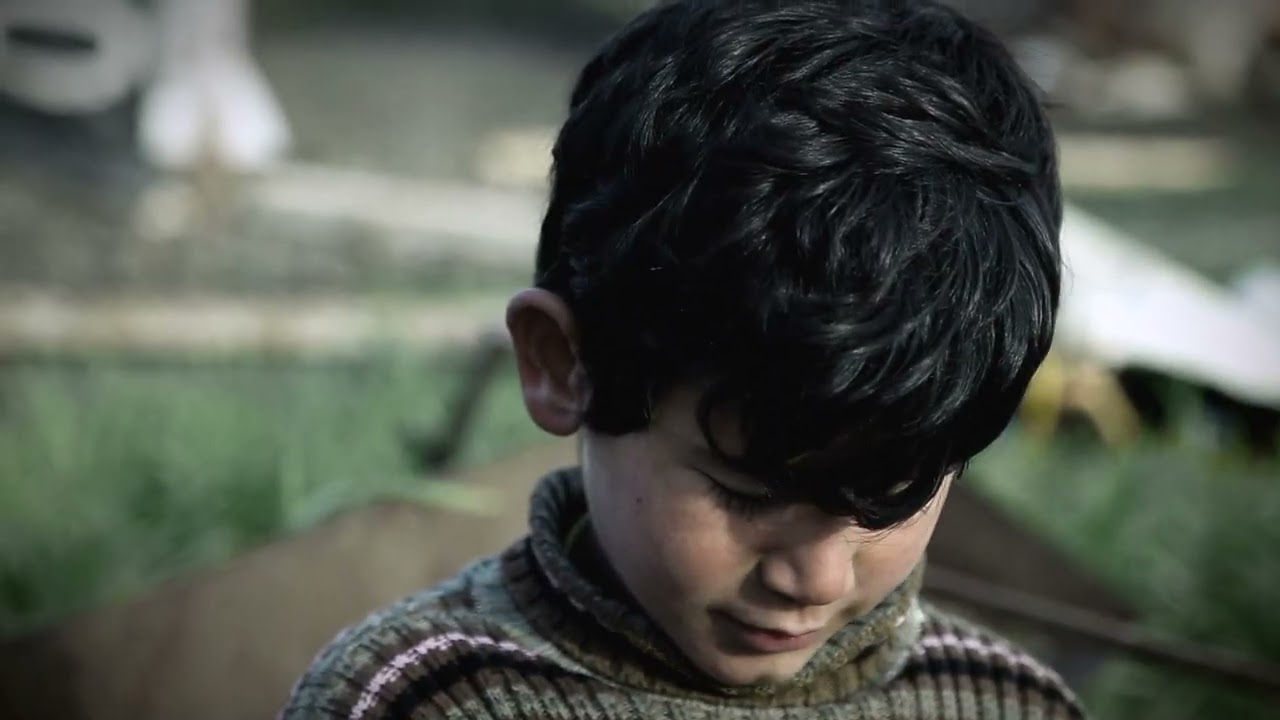
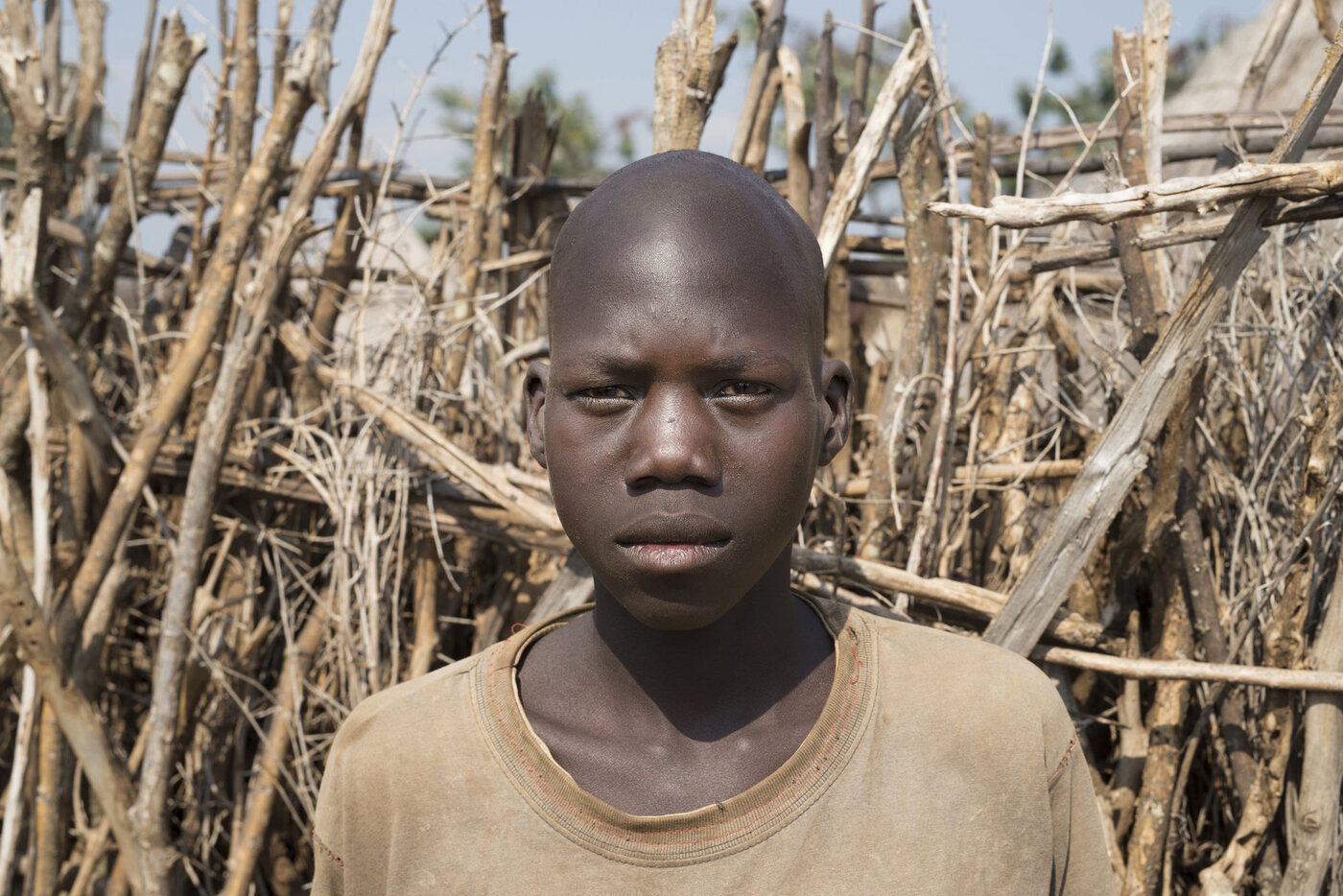
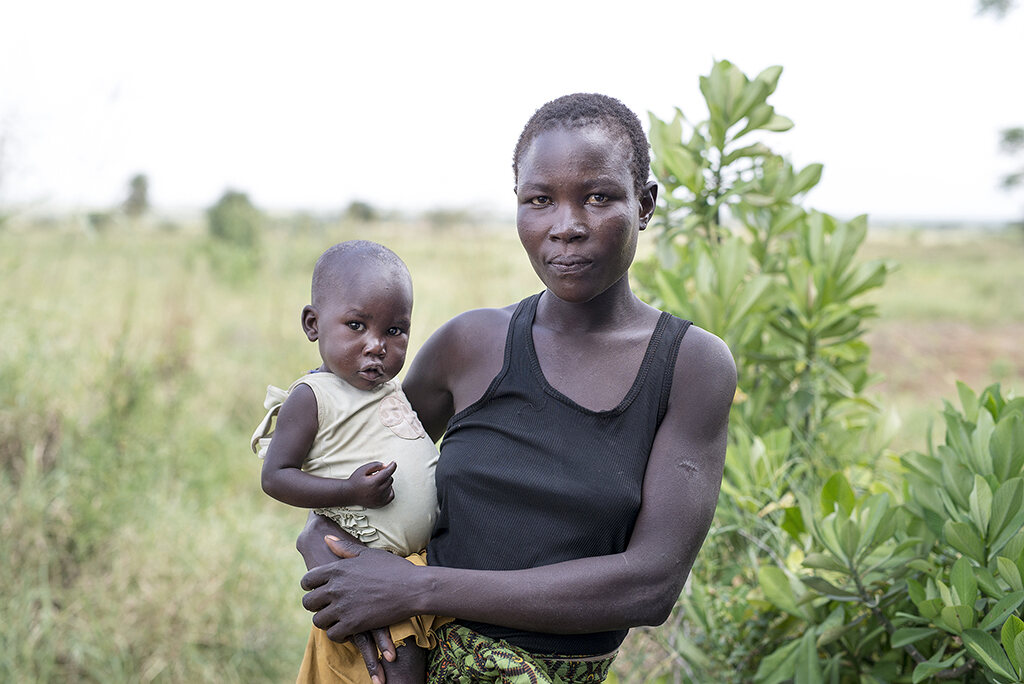
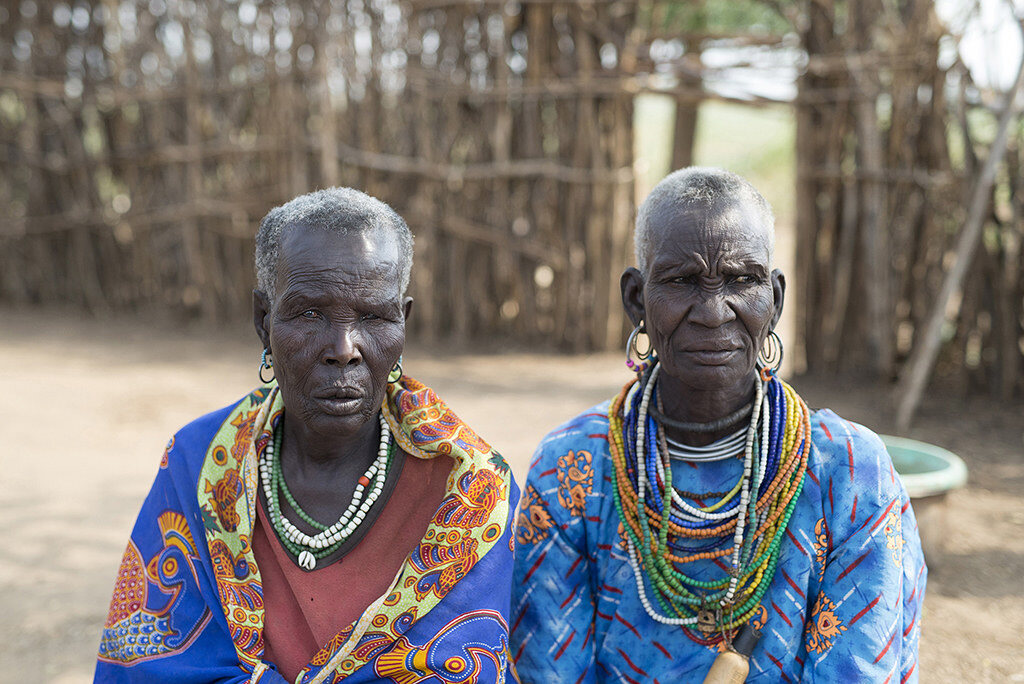
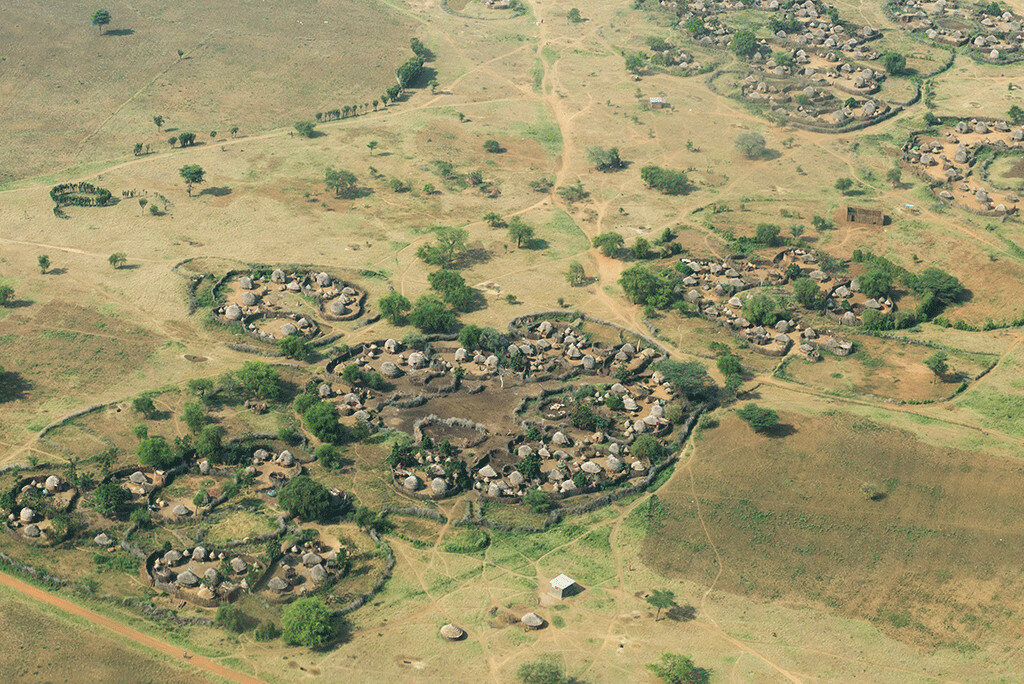
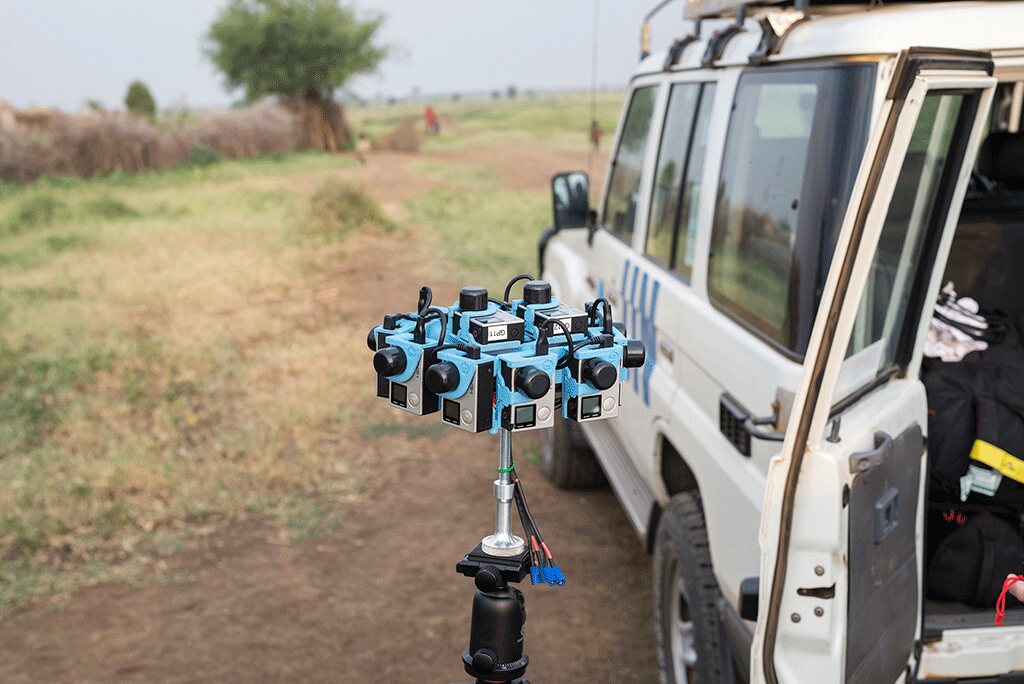
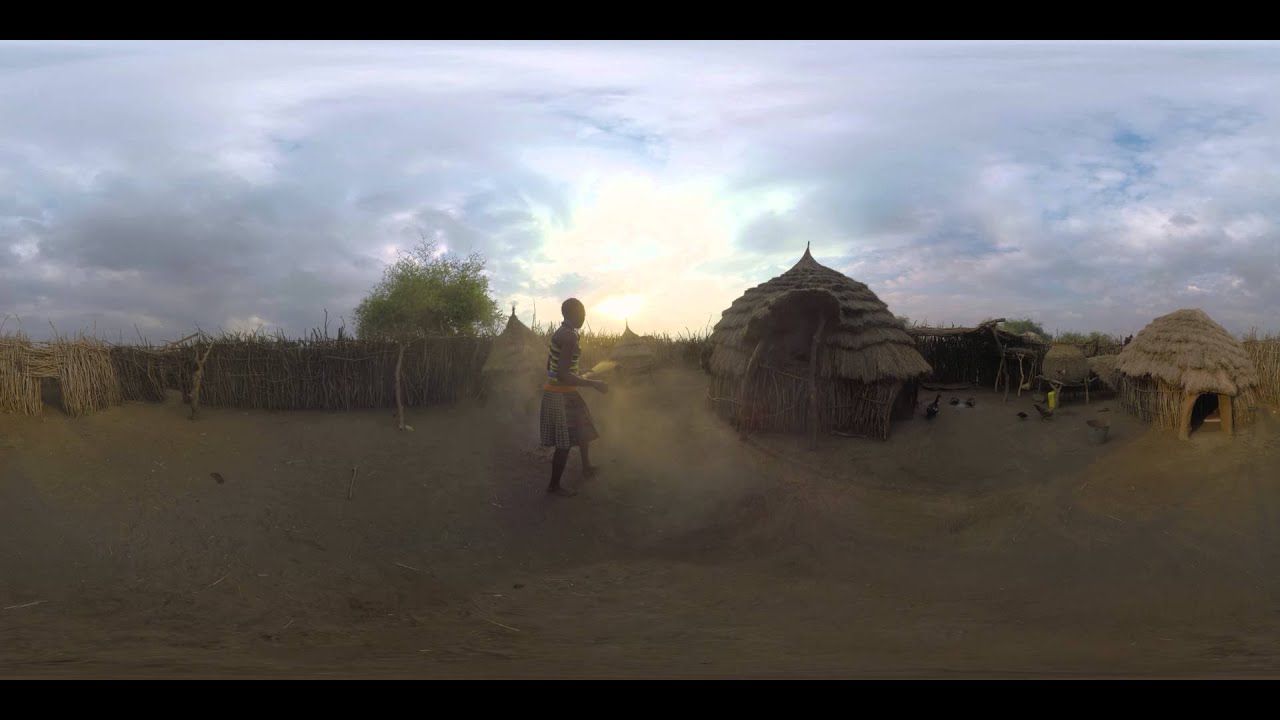
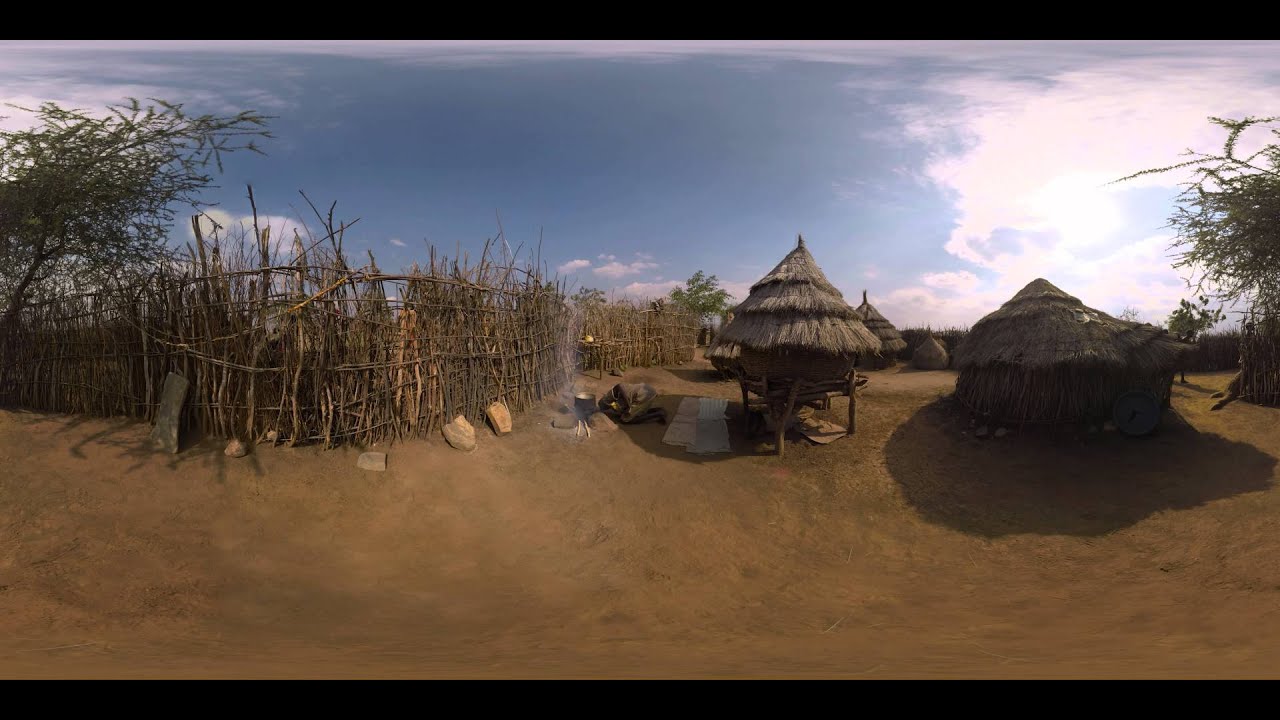
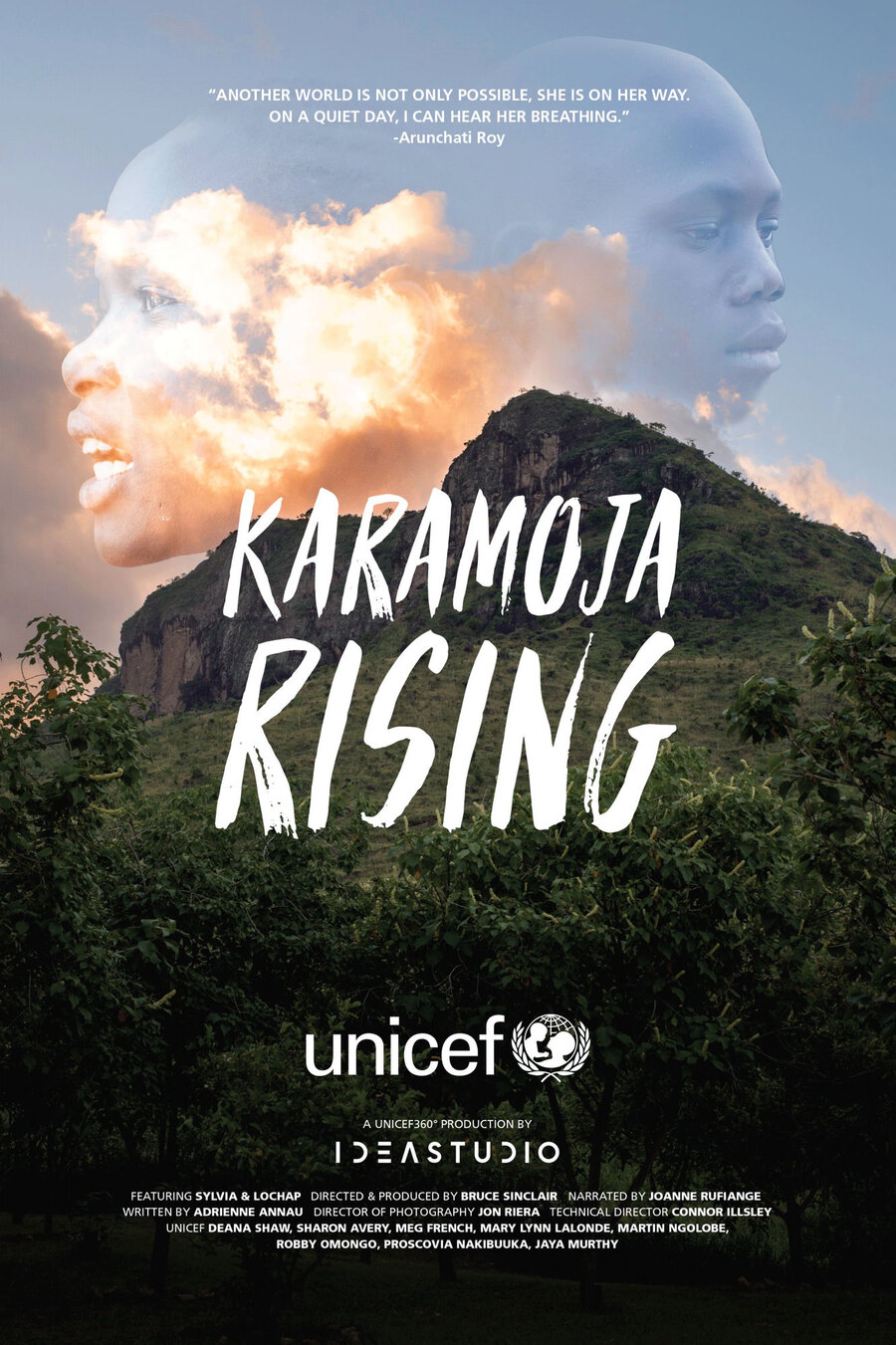
One of the first documentary productions created for UNICEF360° was Karamoja Rising, a two-part immersive documentary filmed in Uganda.
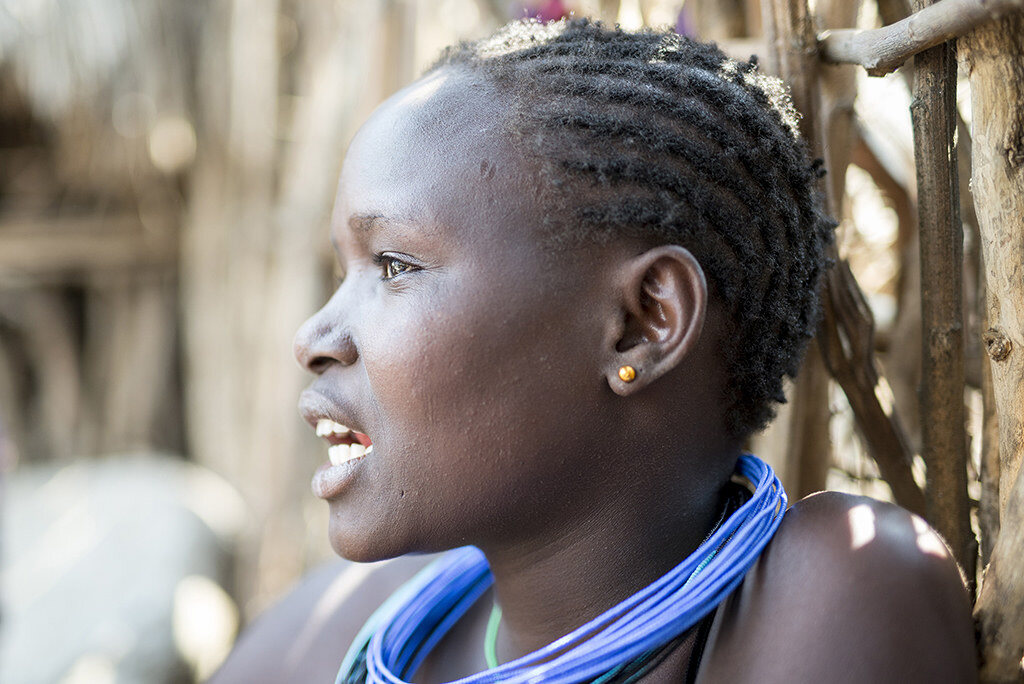
Following Sylvia and Lochap, the films explore resilience, education and opportunity through the eyes of children and families living in one of the country's most remote regions. Rather than observing from a distance, viewers are invited to stand beside them, creating a more personal understanding of UNICEF's work and the impact of monthly donor support.
The success of UNICEF360° transformed the direction of Idea Studio, leading to documentary expeditions around the world and establishing immersive storytelling as one of the studio's defining capabilities.


UNICEF360° proved that immersive storytelling could do far more than showcase emerging technology.
More importantly, it demonstrated that when people experience humanitarian work instead of simply reading about it, they develop a deeper understanding of the people and communities their support makes possible.
The technology has evolved. The opportunity to help people experience UNICEF's work has not.

FeaturingSylvia & Lochap
Directed & Produced byBruce Sinclair
Narrated byJoanne Rufiange
Written byAdrienne Annau
Director of PhotographyJon Riera
Technical DirectorConnor Illsley
UNICEFDeana Shaw, Sharon Avery, Meg French, Mary Lynn Lalonde, Martin Ngolobe, Robby Omongo, Proscovia Nakibuuka, Jaya Murthy