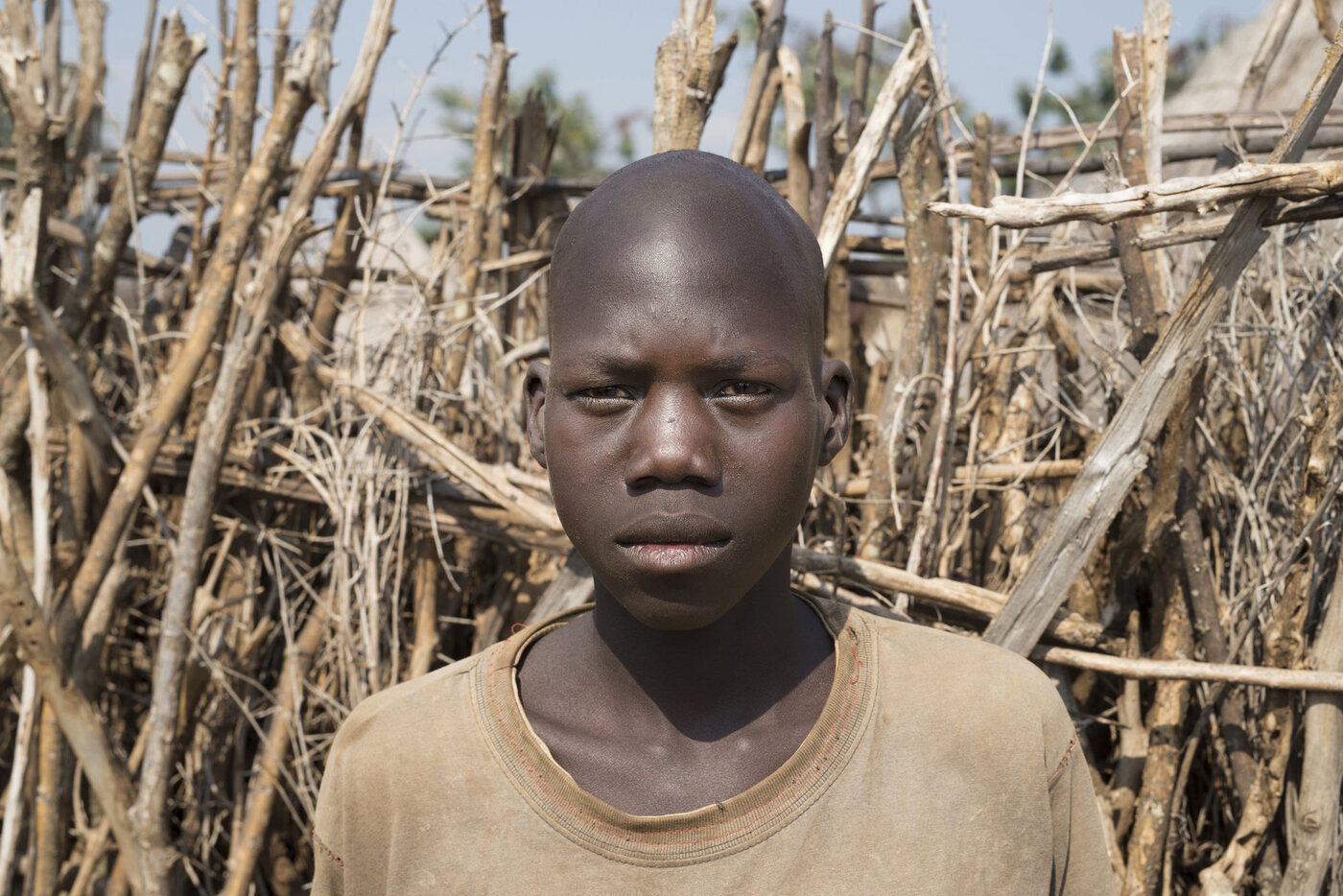
As a photographer who has spent considerable time in the field for organizations such as UNICEF and Rotary International, I am familiar with the delicate balance of telling important stories without crossing the line into exploitation. I recall a young boy named Lochap from Uganda who, despite having lost both his parents and having to care for his grandmothers alone, always wore a smile. Yet, after taking many photographs of him, I asked him not to smile because I feared it might detract from his story's gravity. Such trips leave an indelible mark on you.
However, as a professional, I am aware of the inherent ethical concerns associated with the industry. The famous photograph of the “Afghan Girl” by Steve McCurry published in National Geographic Magazine in 1985, which still adorns my office wall, is an example of this. While it is a beautiful and iconic image, it does not tell the full story behind the subject. The woman in the photograph, Sharbat Gula, has experienced numerous difficulties in her life due to the image's widespread publication. It highlights a broader issue with journalism's tendency to disregard the impact of its work on the real people behind the stories.
Recently, my daughter Zoey and I embarked on a unique journey to address the injustice faced by women and girls. Our mission was twofold: to create a powerful message about gender inequality and to demonstrate how AI can drive change for social good causes. This venture was more challenging than we anticipated, but we remained determined to see it through. Fortunately, UN Women Sweden recognized the potential of our work.
The campaign, produced by Idea Studio for International Women's Day, features twenty women from around the world confronting their oppressors with a haunting stare. While the women's identities have been protected using AI-generated images, their struggles represent those of countless real-life individuals facing gender inequality. Each woman or girl featured in the campaign represents a different region where gender inequality remains a significant threat.
This work isn't meant to suggest abandoning photojournalism, but rather using AI in a constructive and ethical manner as a tool in certain instances. With gender inequality still a significant issue around the world, our hope is that this campaign may spark meaningful discussions about the ethics and safety of those being photographed.
Nevertheless, as long as women and girls continue to face danger, we must continue to find new and creative ways to help them.
This article was originally published on LinkedIn on 7 March 2023.